
Security Testing and Analysis of 5G Cellular Networks
Overview
Cellular networks carry critical communications, yet implementation flaws and misconfigurations can expose users and devices to attacks. Security testing of 5G standalone devices is still largely manual and labor-intensive. This project develops frameworks to test and analyze the security of operational 5G systems, with a focus on user-side devices.
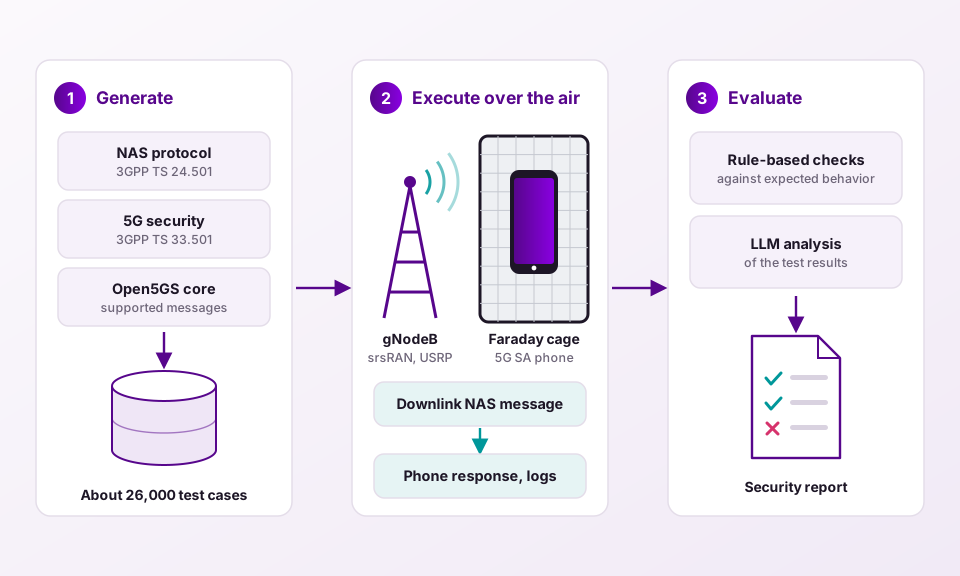
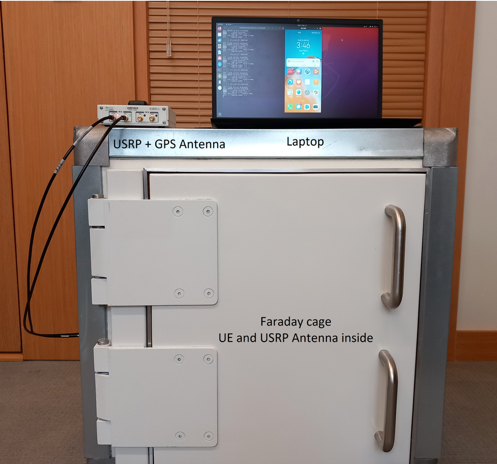
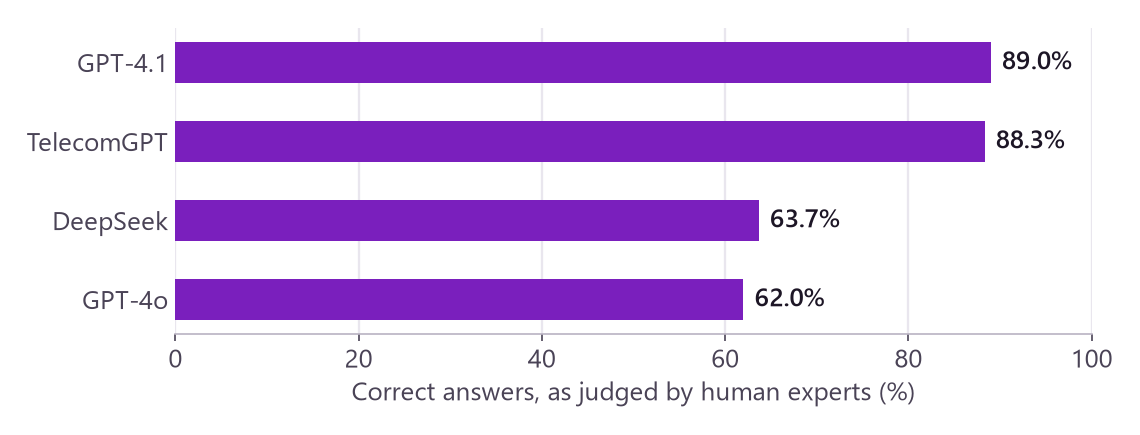
Our open-source framework, ASTRA-5G, automates the generation, over-the-air execution and evaluation of security test cases at the Non-Access Stratum layer. Testing commercial phones revealed issues we reported to their manufacturers, such as the acceptance of arbitrary ABBA values. We have also explored how large language models help assess device security, with the best models reaching about 89% accuracy. The work builds on earlier results on LTE protocol weaknesses, location leakage and abuse of emergency systems, including a study showing that SMS delivery timing can reveal a recipient’s location. We are now extending it towards the security of non-terrestrial networks.
Team
Faculty
Students
Syed KhandkerMichele Guerra
Selected publications