
Securing Air-Traffic Surveillance and Satellite-Based Communication
Overview
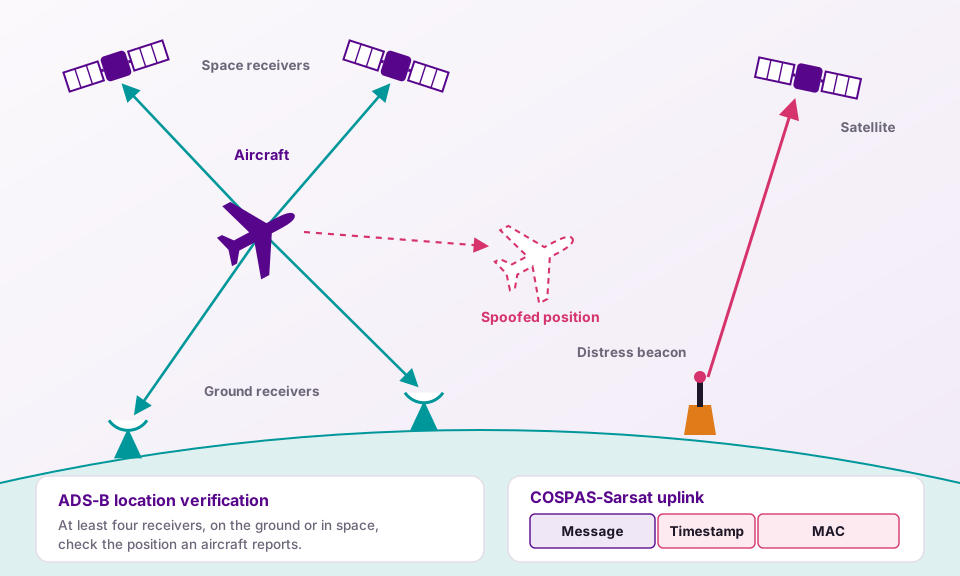
Aviation and satellite communication systems such as ADS-B and search-and-rescue beacons were designed without strong authentication, so messages can be forged or manipulated. This project develops practical defenses that verify signals using sensor networks and physical-layer information.
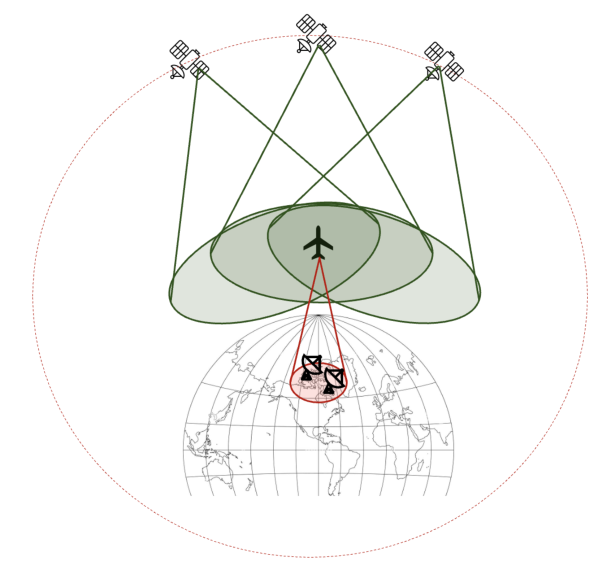
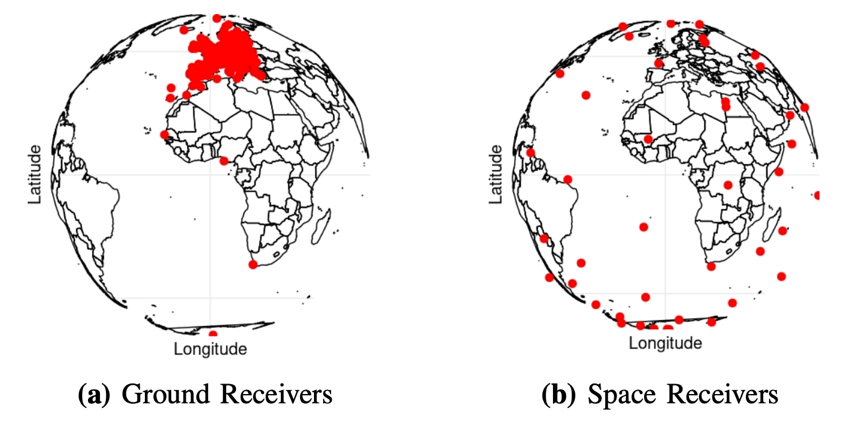
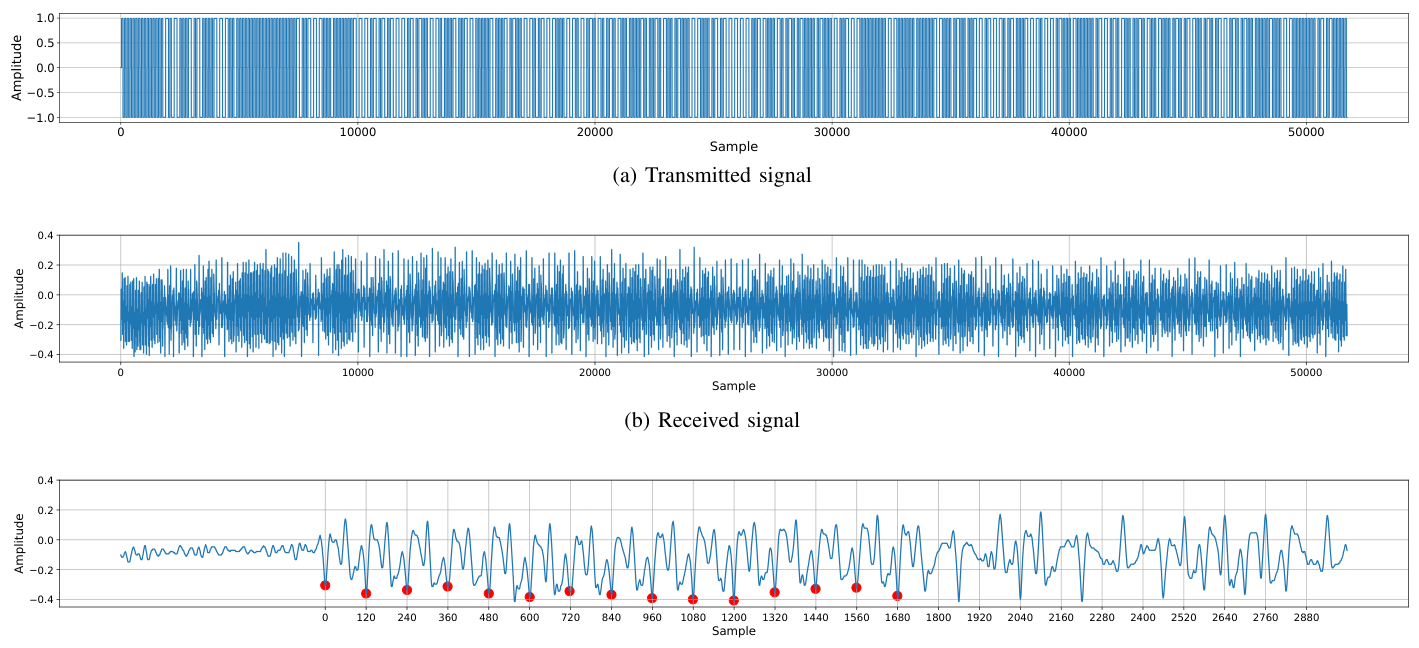
For ADS-B, multilateration can verify an aircraft’s reported position, but it needs at least four receivers to hear each message. We study how to place ground and space-based sensors to get the most security from the fewest sensors. In two test regions, ten optimized ground sensors working with space-based receivers were enough for multilateration. For satellite links, we add message authentication to the COSPAS-Sarsat search-and-rescue uplink. The added timestamp and MAC leave the original message intact, so existing receivers can still decode it, and we validated the design in the lab and through the International Space Station. Related earlier work covers detecting GPS spoofing on aerial vehicles.
Team
Faculty
Students
Syed KhandkerAla' Darabseh
Selected publications